Posted on Leave a comment

The invisible thread of the fisherman’s hammock

Craftsmanship, innovation and human power

When we look at a hammock, we often think about the weaving.
The repeated gestures, the mesh, the pattern.
We imagine the artisan working with ready-made threads.
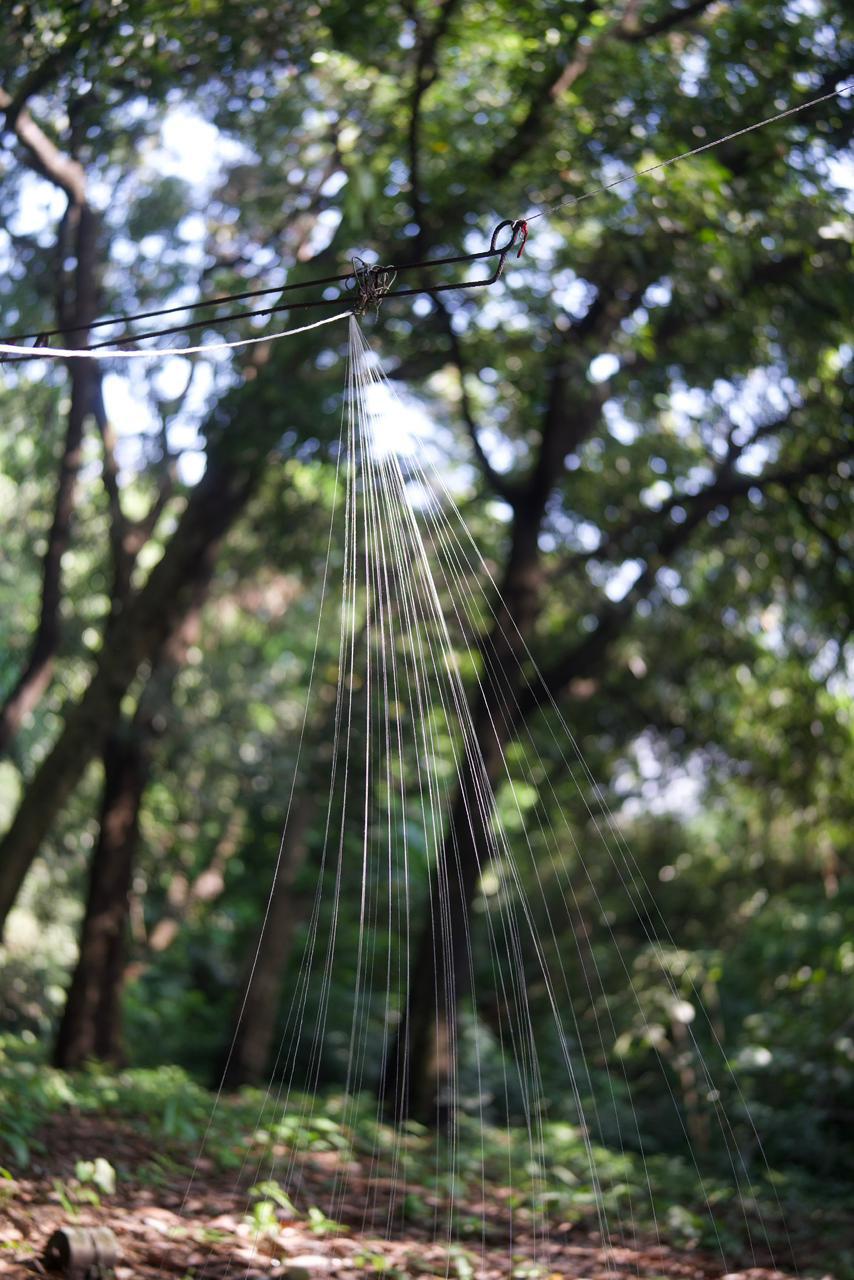
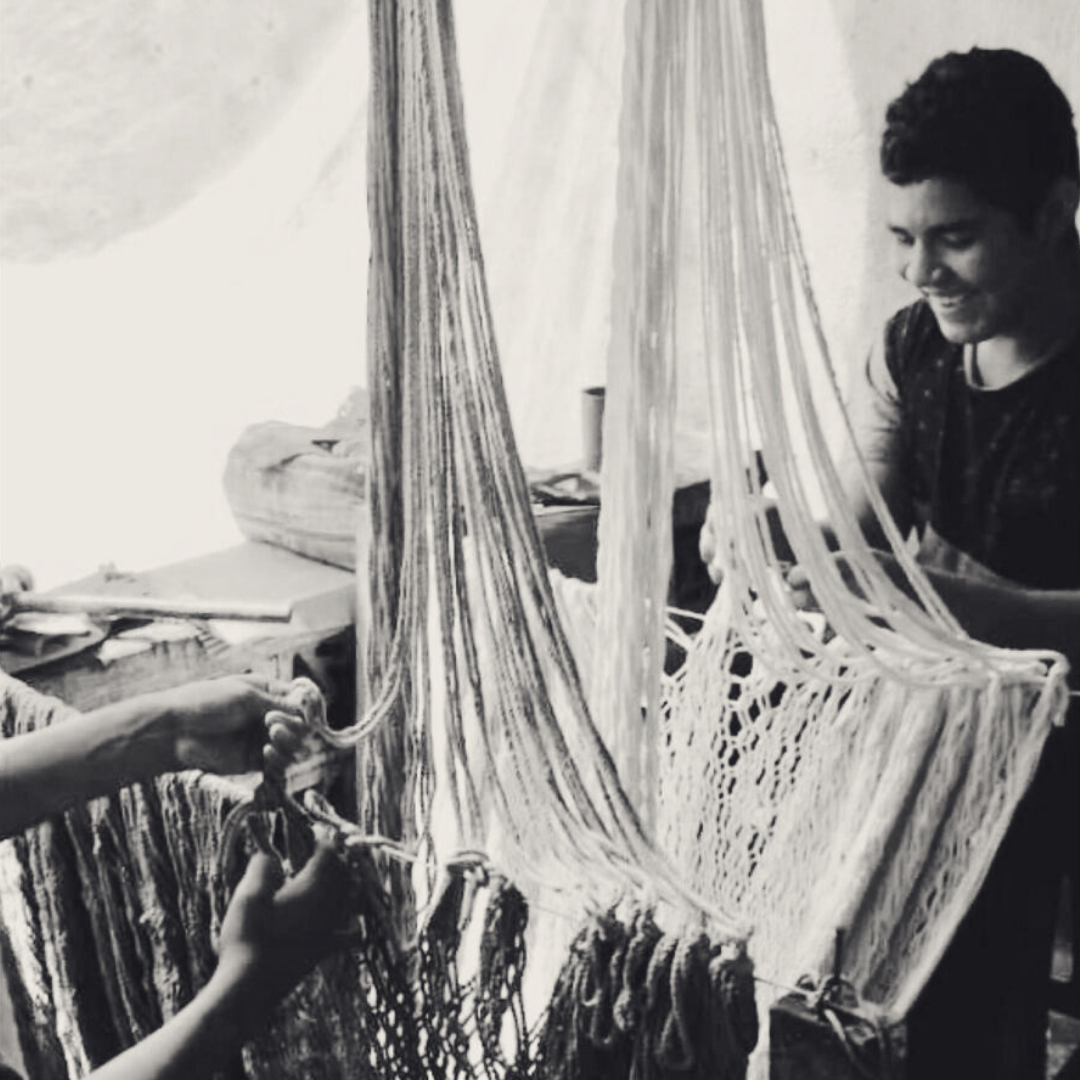
threads twisted together to form a cotton cord
Bringing individual threads together to form a single cotton cord.

The reality is quite different. Even before weaving begins, there is an invisible, essential, and rarely explained step: the making of the thread itself.

Before weaving, there is the thread

In the Maya craftsmanship of Guatemala’s Pacific coast, cotton is not used as-is.
It is transformed, stretched, and assembled.

To obtain a thread capable of supporting weight, tension and time, artisans perform a key step: plying.
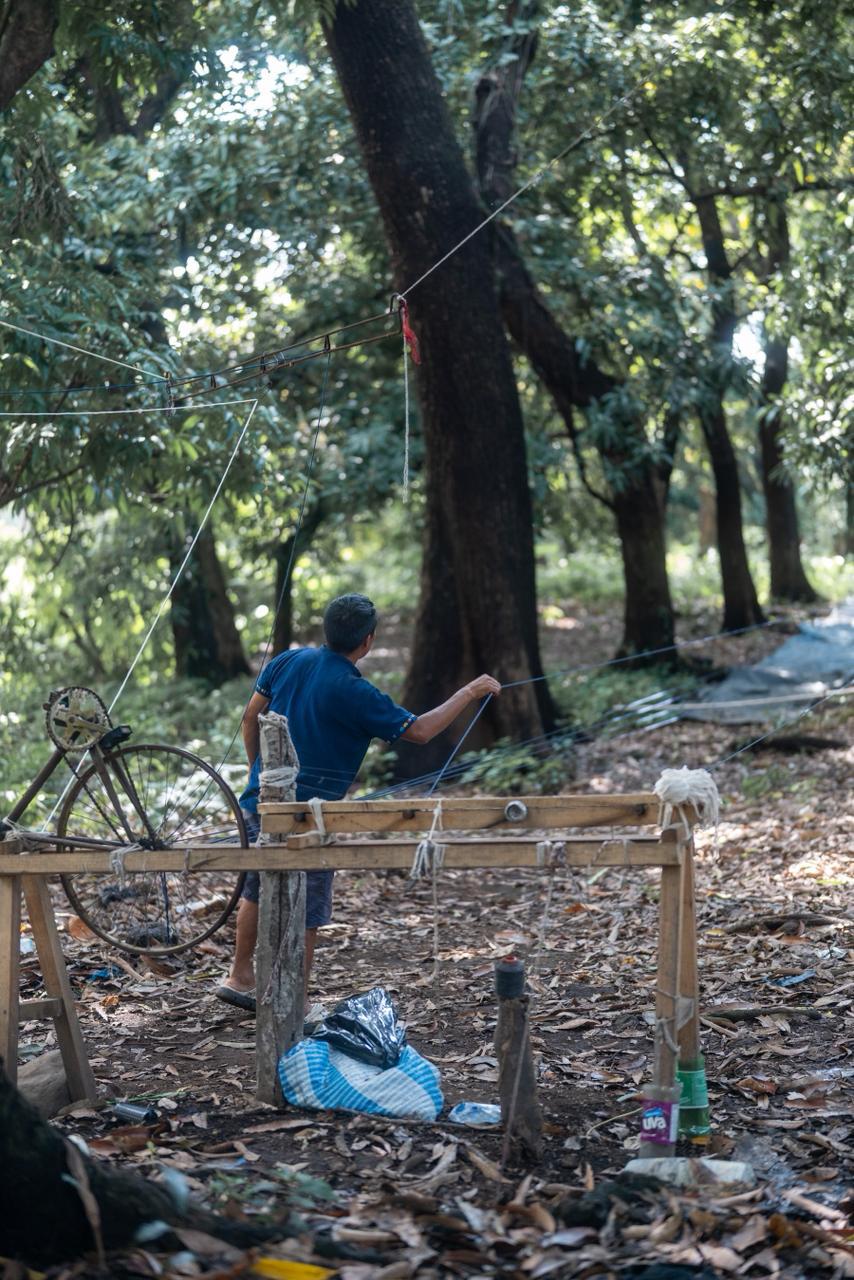
Alfonso preparing the threads for our hammocks on his land in Escuintla.

In practice, several fine threads are twisted together in a direction opposite to the original spinning.
This gesture creates a thicker, more flexible and more resistant thread.

This is the step that gives the hammock:

  • its flexibility
  • its ability to adapt to the body
  • its long-term durability

Without this intermediate work, the hammock would be rigid, brittle or fragile.

A physical, demanding… and often overlooked step

This phase requires:

  • long distances to stretch the threads
  • constant tension
  • great precision
  • significant physical effort

It is a step that customers rarely think about.
They imagine an artisan working directly with finished thread.

Yet this is where much of the final quality is determined.

A simple innovation: the pedal-powered machine

Rather than introducing an industrial machine, our artisans adopted a solution consistent with local craftsmanship.

The idea was simple: to use human power, circular motion, and mechanics that are easy to understand and repair.
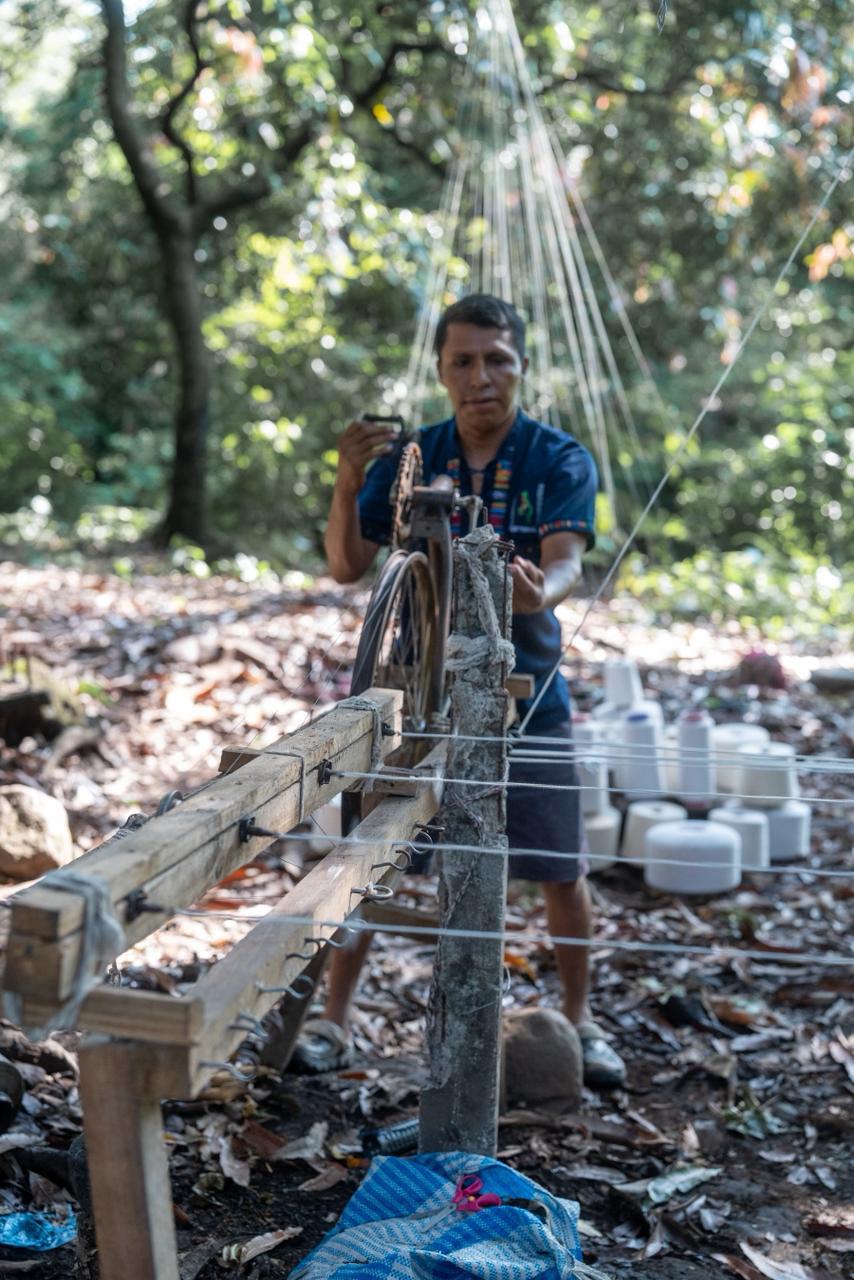
pedal-powered machine for twisting threads
Twisting the threads gives them softness, flexibility and strength.

This is how a bicycle-powered machine was created, driven solely by human effort.

No motor.
No electricity.
Locally repairable.
Adapted to the artisan’s rhythm.

It allows for:

  • more consistent tension
  • less fatigue
  • better thread quality
  • work that is more respectful of the body

Here, innovation does not replace know-how.
It supports it.

Alfonso, artisan and guardian of the gesture

Alfonso is the main artisan we have been working with for many years.

Alfonso preparing the threads – tradition and innovation
Preserving the right gesture while improving efficiency is the idea behind this eco-friendly bicycle machine.

He is the one who carries out this essential step, often in the shade of the trees, where there is enough space to stretch the threads over long distances.

This phase requires space.
That is also why we were able to help him acquire the land on which he works today.

Not to industrialize.
But to preserve a know-how under the right conditions.

After the thread: double-loop weaving

Once the thread is ready, weaving begins.

Depending on the region, techniques vary.
In the Yucatán, for example, a double-loop weave is used, made with a shuttle.

Each region, each artisan, brings their own signature.
The hammock then becomes a cultural object, far more than a simple accessory.

Restoring value to what is invisible

A hammock is not just an object for rest.
It is the result of a succession of invisible, precise and deeply human gestures.

Understanding these steps also means buying differently.
With greater awareness.
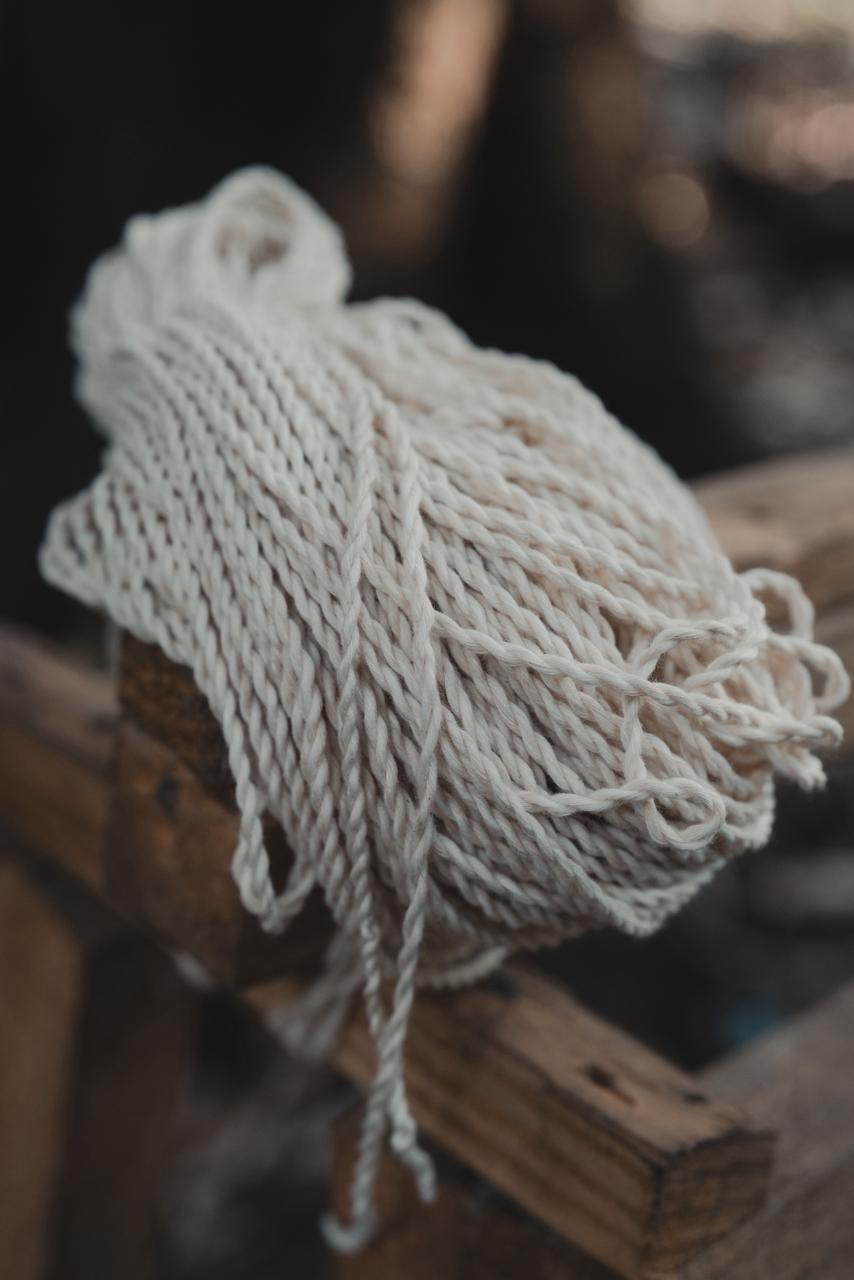
A cotton thread for fishing-net hammocks, truly one of a kind.


And with greater respect for those who make them. — Mayan Dreams

Posted on Leave a comment

Hammocks & Well-Being: Relaxing Sway, Restful Sleep, and Body Support

A hammock is more than just a decorative object or a piece of relaxation furniture! As Latin Americans have long known, a hammock can support your back health and improve sleep quality. Recent scientific studies and journalistic research show that resting or sleeping in a hammock can, among other benefits:
1.) Improve sleep quality 2.) Reduce back pain 3.) Calm the nervous system

A Lifestyle Good for Body and Mind

A gift for your back, your mind, and your relaxation

A Gift for Your Back, Mind, and Rest

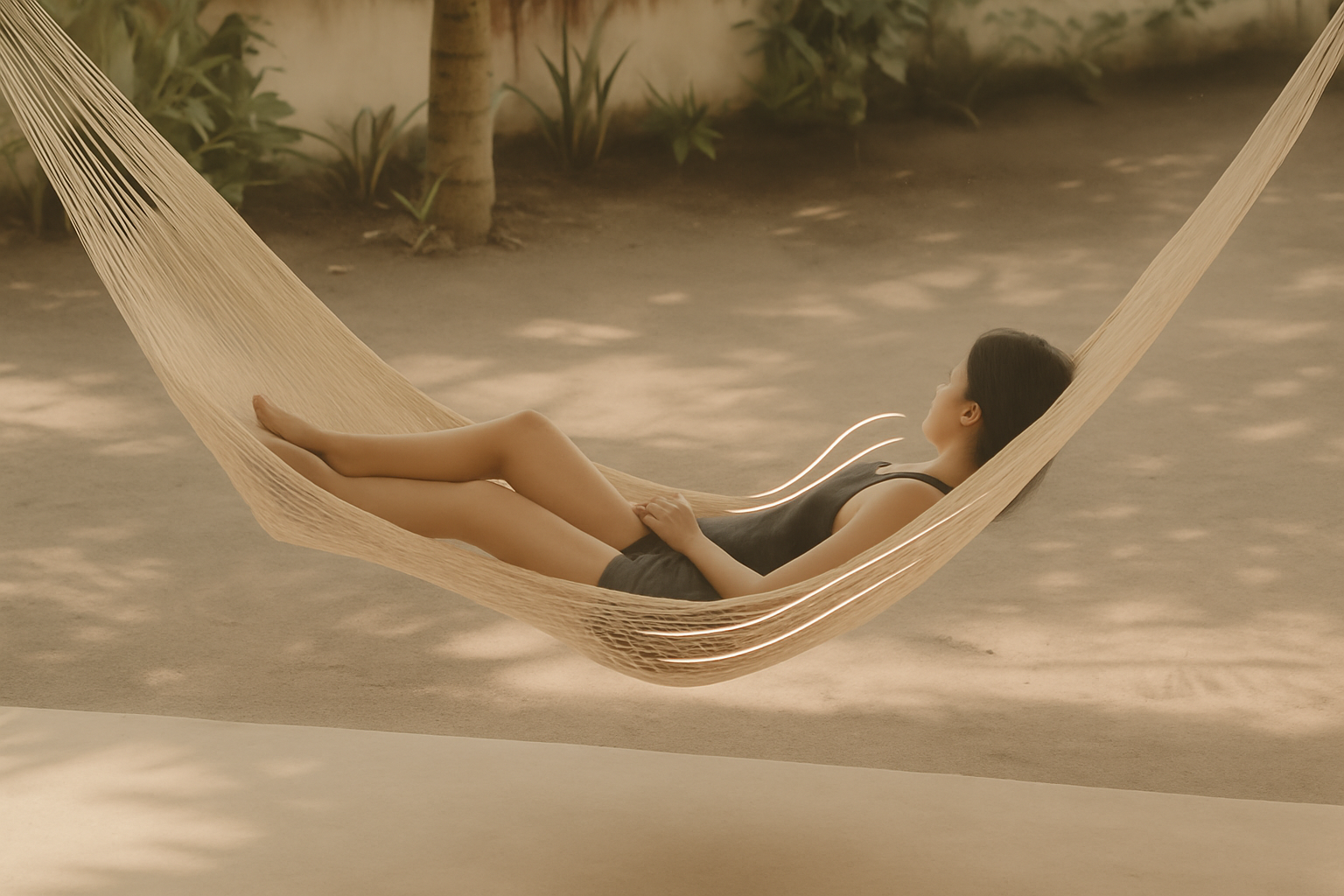
The soothing motion: gentle rocking for better sleep
Sleeping or napping in a fabric or high-quality net hammock helps the brain enter deep sleep faster. Hammocks are especially beneficial for people struggling with insomnia. Their gentle rocking mimics intrauterine movements, providing a natural sense of security and relaxation.

The inherent sway of a hammock promotes quicker sleep onset, full-body relaxation, and healthier rest.

Hammock movement affects brain waves, just like rocking a baby.
A study conducted in Mexico found that adults sleeping in a hammock fell asleep faster and experienced nearly 20 extra minutes of continuous sleep per night compared to those in a conventional bed.

Good for Your Entire Body

When properly tensioned and lying diagonally, a hammock conforms to the body’s natural shape, evenly distributing weight and reducing pressure on the spine and other body parts.

A 2025 clinical study found that 10-minute daily sessions in a quality hammock improved flexibility and reduced lower back and neck pain – a simple solution for: 1.) Mild or stress-related back pain, 2.) Blood circulation and breathing, 3.) Acid reflux / stomach discomfort. The even weight distribution also benefits muscles and the stomach. My wife, for example, found that lying in a hammock during pregnancy helped significantly reduce chronic heartburn.

Pain relief is primarily linked to improved circulation and deep muscle relaxation.

Babies and Moms Confirm: Hammocks Promote Calm and Sleep

Even newborns can benefit from hammocks. Studies on preterm infants showed improvements in sleep-wake patterns, reduced heart and breathing rates, and better oxygenation.

The gentle sway and weight distribution support natural physiological regulation from birth.

Daily Well-Being: A Relaxation Ritual Rooted in Culture

In villages across Yucatán and Guatemala, locals say: “The hammock cures the fatigue of the day.”
Hammocks provide a moment of lightness, release tension, and encourage deep breathing.
They offer a meditative pause that reconnects you with yourself – a timeless, calming lifestyle for the whole family.

Conclusion

Choosing a Maya Dreams hammock is more than owning a handcrafted object – it’s inviting well-being, restful sleep, and serenity into your home!


Scientific References

Rocking & Sleep:
“Effects of sleeping in a hammock on polysomnographic sleep parameters in young adults”,
C. Rojas-Rodríguez et al., Revista de Investigación Clínica, 2020 — PubMed

Hammocks & Back Pain:
“Effects of a Postural Hammock on Pain, Hamstring Flexibility, and Functional Capacity in People with Low Back Pain”,
R. Fernández-Rodríguez et al., Medicina, 2025 — MDPI

Preterm Infant Sleep:
“Comparison of hammock positioning and nesting on cardiorespiratory parameters in preterm infants”,
R. V. Nascimento et al., Respiratory Care Journal, 2018 — Liebert

Term Infant Sleep:
“Cardiorespiratory safety of hammock sleeping in term infants”,
P. C. Machado et al., Pediatric Pulmonology, 2014 — PubMed

Traditional Use in Yucatán:
“Hamaca y Cambio Social en Yucatán”,
Othón Baños Ramírez, Revista Mexicana del Caribe, 2003 — Universidad de Quintana Roo


Handcrafted Hammocks – Organic Cotton
Suspended in the air, your body balances, your mind relaxes, your discomfort fades … and the world slows down.